
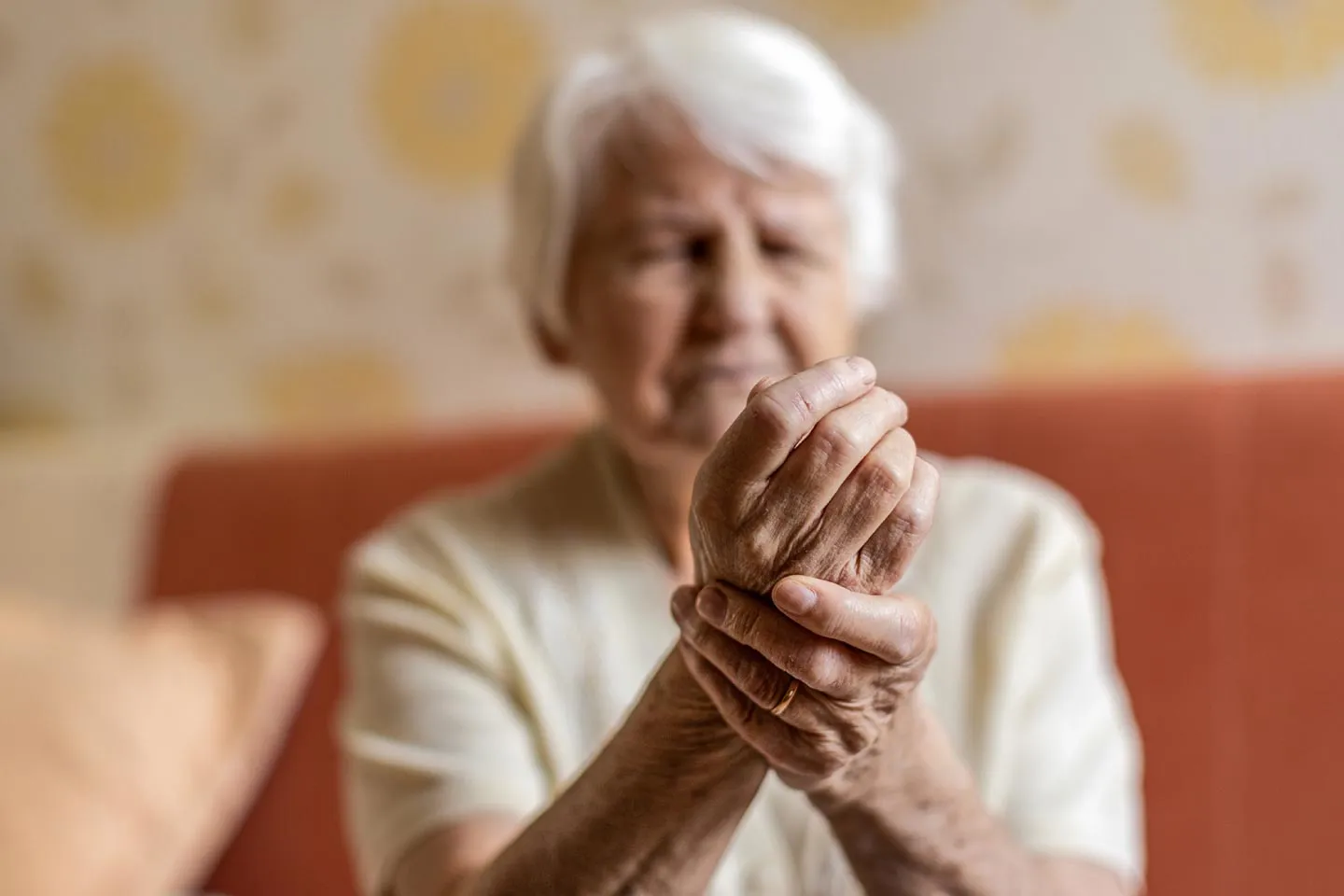
Osteoporosis is a common bone condition that weakens bones, making them fragile and more likely to fracture. Often called a “silent disease,” it progresses without noticeable symptoms until a fracture occurs. In this blog, Dr. Vivek Gupta explains the causes of osteoporosis and practical ways to prevent it for long-term bone health.
What Is Osteoporosis
Osteoporosis is a condition in which bone density decreases, leading to weak and brittle bones. Healthy bones are dense and strong, but in osteoporosis, they become porous and fragile.
According to Dr. Vivek Gupta, the condition develops gradually over time and is often diagnosed after a minor fall or injury leads to a fracture.
Why Bone Health Matters
Bones play a vital role in supporting the body, protecting organs, and enabling movement. Maintaining bone strength is essential for overall health, especially as we age.
Dr. Vivek Gupta emphasizes that early awareness and preventive measures can significantly reduce the risk of fractures and disability.
Causes Of Osteoporosis
Osteoporosis develops due to an imbalance between bone formation and bone loss.
Common Causes Include:
- Aging: Bone density naturally decreases with age
- Hormonal changes: Especially reduced estrogen in women after menopause
- Calcium and vitamin D deficiency
- Sedentary lifestyle
- Chronic medical conditions
- Long-term use of certain medications (like steroids)
Dr. Vivek Gupta highlights that multiple factors often contribute together rather than a single cause.
Risk Factors
Some individuals are at higher risk of developing osteoporosis.
Key Risk Factors:
- Increasing age
- Female gender
- Family history of osteoporosis
- Low body weight
- Smoking and alcohol consumption
- Poor nutrition
Recognizing these risk factors early helps in taking preventive action.
Symptoms Of Osteoporosis
Osteoporosis is often called a silent disease because it may not show symptoms in the early stages.
Possible Signs:
- Back pain due to vertebral fractures
- Loss of height over time
- Stooped posture
- Fractures occurring easily
Dr. Vivek Gupta advises regular screening for individuals at risk, even if symptoms are not present.
Complications Of Osteoporosis
If left untreated, osteoporosis can lead to serious complications.
- Frequent fractures, especially in the hip, spine, and wrist
- Reduced mobility
- Chronic pain
- Loss of independence
Early prevention is key to avoiding these outcomes.
Diagnosis Of Osteoporosis
Diagnosis involves assessing bone density and overall bone health.
Common Tests:
- Bone Mineral Density (BMD) test
- DEXA scan
- Blood tests to check calcium and vitamin levels
Dr. Vivek Gupta uses these tools to evaluate bone strength and guide treatment plans.
Prevention Of Osteoporosis
Preventing osteoporosis is possible with consistent lifestyle choices and early care.
Adequate Calcium Intake
Calcium is essential for strong bones.
- Include dairy products, leafy greens, and fortified foods
- Follow recommended daily intake
Vitamin D Support
Vitamin D helps the body absorb calcium.
- Get regular sunlight exposure
- Include vitamin D-rich foods
- Take supplements if advised
Regular Exercise
Weight-bearing and strength-training exercises help maintain bone density.
- Walking
- Jogging
- Resistance training
Dr. Vivek Gupta recommends regular physical activity as a cornerstone of bone health.
Healthy Lifestyle Choices
- Avoid smoking
- Limit alcohol consumption
- Maintain a healthy weight
Fall Prevention
Reducing fall risk is crucial in preventing fractures.
- Keep living spaces safe
- Use proper footwear
- Improve balance through exercise
Treatment Options
If osteoporosis is diagnosed, treatment focuses on strengthening bones and preventing fractures.
Common Treatments:
- Calcium and vitamin D supplements
- Medications to slow bone loss
- Hormonal therapy in selected cases
Dr. Vivek Gupta tailors treatment based on individual risk and severity.
Who Should Get Screened
Screening is recommended for:
- Women above 50 years
- Men above 65 years
- Individuals with risk factors
- Those with previous fractures
Early screening helps in timely intervention.
Living With Osteoporosis
With proper care, individuals with osteoporosis can lead active and independent lives.
- Follow treatment plans
- Stay physically active
- Maintain a nutritious diet
- Attend regular medical check-ups
FAQs
Q: What is the main cause of osteoporosis?
A: Aging and hormonal changes are the most common causes.
Q: Can osteoporosis be prevented?
A: Yes, with proper diet, exercise, and lifestyle changes.
Q: Is osteoporosis only seen in women?
A: No, men can also develop osteoporosis, especially with age.
Q: What foods are good for bone health?
A: Calcium-rich foods like milk, leafy greens, and fortified products.
Q: When should I get tested for osteoporosis?
A: If you are above 50 or have risk factors, consult your doctor for screening.
Conclusion
Osteoporosis is a preventable and manageable condition when addressed early. Understanding its causes and adopting healthy lifestyle habits can significantly reduce the risk.
With expert guidance from Dr. Vivek Gupta, individuals can take proactive steps to protect their bone health and maintain a good quality of life. If you are at risk or experiencing symptoms, do not delay seeking medical advice.


