
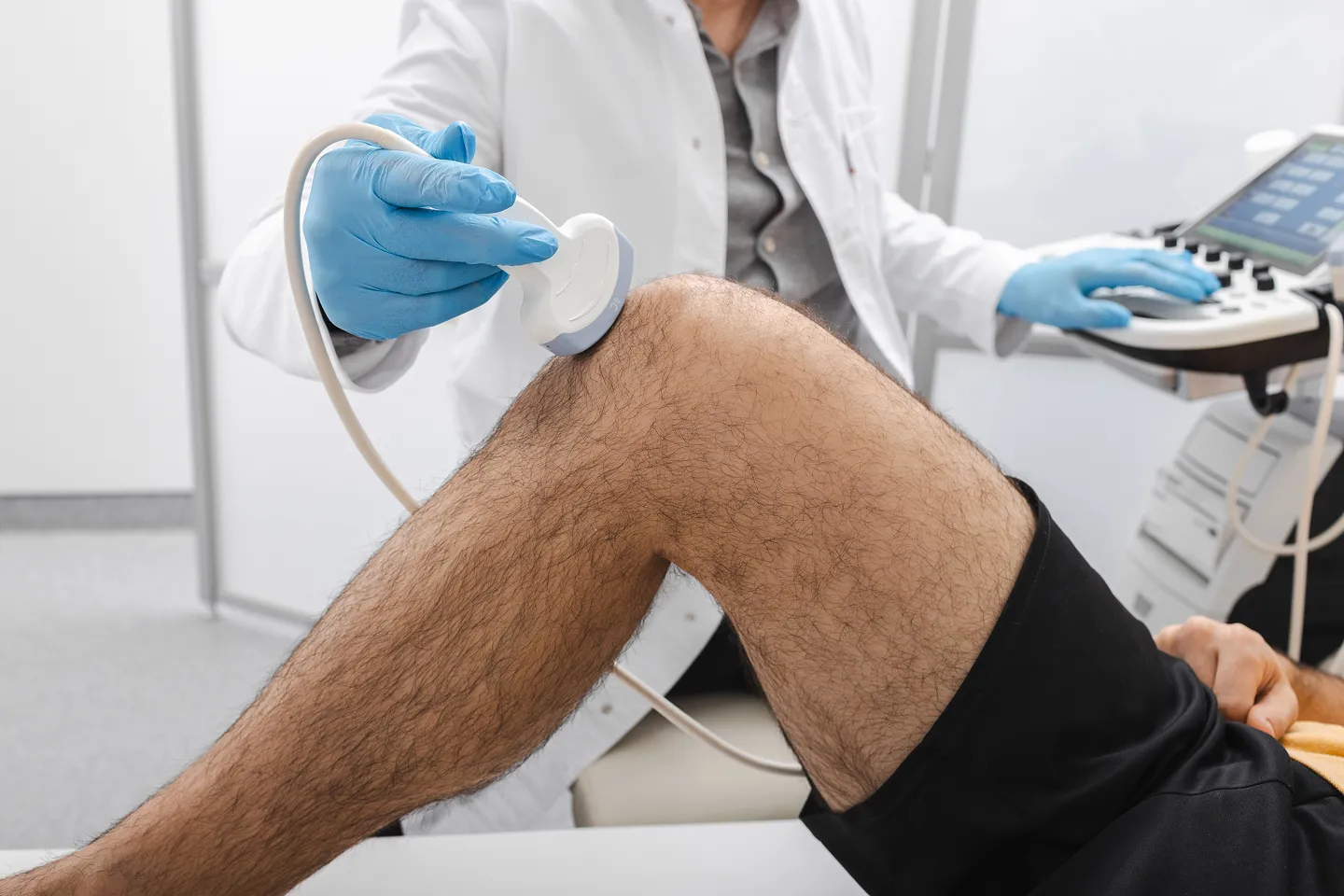
Knee injuries can occur during sports, accidents, or sudden twists of the joint. Two conditions that are often confused are knee dislocation and patellar dislocation. Although both involve displacement in the knee area, they are very different in terms of severity, causes, and treatment.
Understanding the difference between these two injuries is important because they require different medical approaches. Some knee dislocations can be serious medical emergencies, while patellar dislocations are more common and may be managed with appropriate orthopedic care.
Dr. Vivek Gupta explains the key differences between knee dislocation and patellar dislocation to help patients recognize symptoms early and seek the right treatment.
What Is A Knee Dislocation?
A knee dislocation occurs when the main bones that form the knee joint move out of their normal alignment. These bones include the femur (thigh bone), tibia (shin bone), and sometimes the patella.
This injury usually results from high-impact trauma such as road accidents or severe sports injuries. When the knee dislocates, several ligaments around the joint are typically torn, and nearby nerves or blood vessels may also be damaged.
Because of the risk of serious complications, a knee dislocation is considered a medical emergency that requires immediate evaluation and treatment.
What Is A Patellar Dislocation?
A patellar dislocation occurs when the kneecap (patella) moves out of its normal position, usually slipping toward the outer side of the knee.
Unlike knee dislocation, the main bones of the knee joint remain aligned. The injury mainly affects the kneecap and surrounding soft tissues.
Patellar dislocation often occurs during sports activities that involve sudden twisting, jumping, or direct impact to the knee.
Although painful, patellar dislocation is usually less severe than a full knee dislocation.
Key Differences Between Knee Dislocation And Patellar Dislocation
Understanding the major differences between these two conditions helps in identifying the severity of the injury.
Structures involved
- Knee dislocation involves displacement of the main bones of the knee joint.
- Patellar dislocation involves only the kneecap moving out of its groove.
Severity
- Knee dislocation is a serious injury and often damages ligaments, nerves, or blood vessels.
- Patellar dislocation usually affects the kneecap and surrounding tissues.
Causes
- Knee dislocation often occurs due to high-energy trauma such as accidents.
- Patellar dislocation commonly occurs during sports or sudden twisting movements.
Medical urgency
- Knee dislocation requires emergency medical care.
- Patellar dislocation still requires medical evaluation but is generally less life-threatening.
Symptoms Of Knee Dislocation
Symptoms of a knee dislocation are usually severe and appear immediately after injury.
- Severe knee pain
- Visible deformity of the knee joint
- Rapid swelling
- Inability to move the knee
- Inability to bear weight on the leg
- Numbness or tingling in the foot or leg
- Cold or pale foot due to reduced blood flow
These symptoms indicate the need for immediate medical attention.
Symptoms Of Patellar Dislocation
Symptoms of patellar dislocation may include:
- Sudden pain in the front of the knee
- Visible displacement of the kneecap
- Swelling around the knee
- Difficulty straightening the leg
- Feeling that the knee may give way
- Tenderness around the kneecap
In some cases, the kneecap may move back into place on its own, but medical evaluation is still necessary.
Diagnosis Of Knee Injuries
Doctors evaluate knee injuries through a detailed physical examination and imaging tests.
Common diagnostic tests include:
- X-rays to check bone alignment
- MRI scans to assess ligament and cartilage damage
- CT scans for complex injuries
In suspected knee dislocation cases, doctors may also check blood flow in the leg to rule out vascular injury.
Treatment Options
Treatment depends on the type and severity of the injury.
Treatment for knee dislocation
Knee dislocation often requires urgent medical treatment.
- Emergency realignment of the joint
- Surgery to repair torn ligaments or damaged structures
- Rehabilitation and physiotherapy
Because multiple ligaments are often involved, surgery is commonly required.
Treatment for patellar dislocation
Treatment for patellar dislocation may include:
- Manual repositioning of the kneecap
- Immobilization with a brace or splint
- Pain management
- Physiotherapy to strengthen surrounding muscles
Surgery may be recommended if the dislocation occurs repeatedly or if structural damage is present.
Recovery And Rehabilitation
Recovery depends on the severity of the injury and the treatment performed.
Patients are generally advised to:
- Follow the treatment plan recommended by the doctor
- Attend physiotherapy sessions regularly
- Perform strengthening and flexibility exercises
- Avoid activities that strain the knee during recovery
Rehabilitation helps restore knee stability and reduce the risk of future injuries.
When Should You See A Doctor?
You should seek medical care immediately if you experience:
- Severe knee pain after an injury
- Visible deformity in the knee
- Difficulty moving the joint
- Inability to bear weight on the leg
- Swelling or numbness in the lower leg or foot
Early diagnosis and treatment help prevent long-term complications.
FAQs
Q: What is the difference between knee dislocation and patellar dislocation?
A: Knee dislocation involves displacement of the main bones of the knee joint, while patellar dislocation involves only the kneecap moving out of place.
Q: Is knee dislocation more serious than patellar dislocation?
A: Yes. Knee dislocation is usually more serious because it may damage ligaments, nerves, and blood vessels around the joint.
Q: Can patellar dislocation happen again?
A: Yes. Some patients may experience recurrent patellar dislocations, especially if the supporting structures of the knee are weak.
Q: Do all knee dislocations require surgery?
A: Many knee dislocations require surgical repair of damaged ligaments, but the exact treatment depends on the severity of the injury.
Q: How long does recovery take after knee dislocation?
A: Recovery can take several months and usually involves surgery followed by physiotherapy and rehabilitation.
Get Expert Evaluation For Knee Injuries
Knee injuries should never be ignored, especially when there is severe pain, swelling, or instability. Early diagnosis helps determine whether the injury is a knee dislocation or a patellar dislocation and ensures appropriate treatment.
If you experience knee injury symptoms, consult Dr. Vivek Gupta for expert orthopedic evaluation and personalized treatment to restore knee stability and mobility.


