
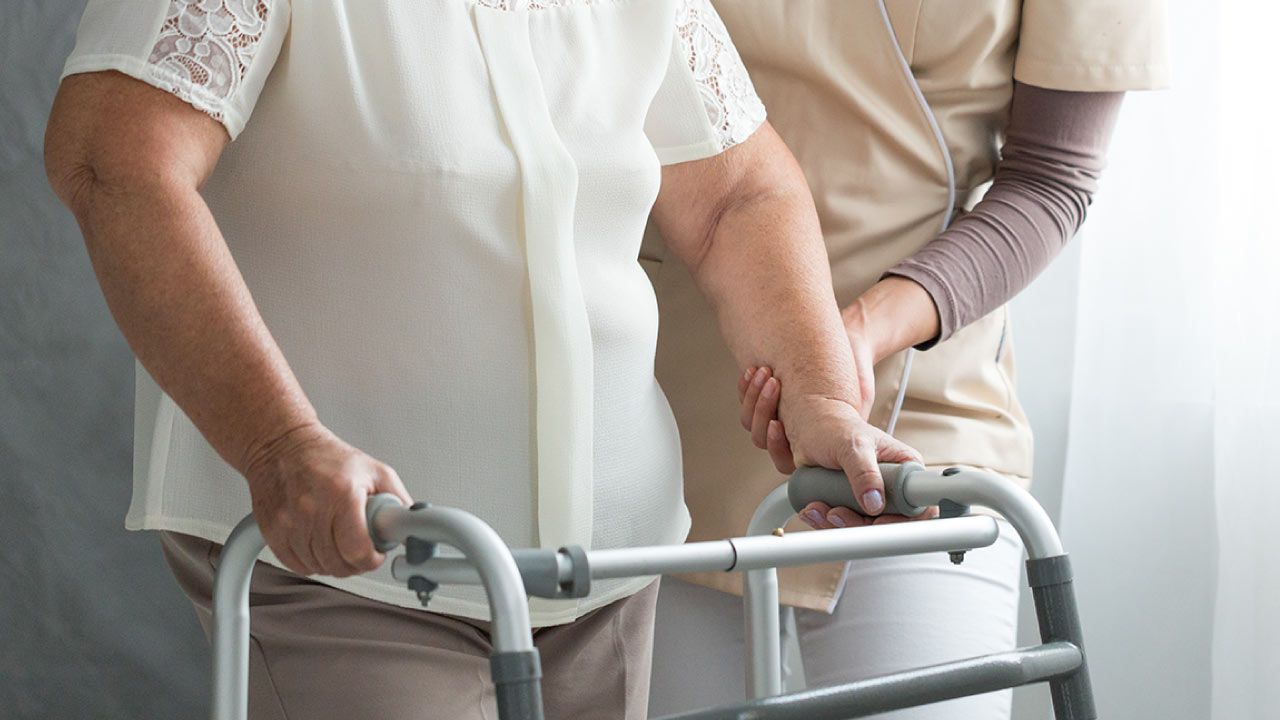
Hip fractures are one of the most serious injuries affecting elderly individuals. With age, bone density naturally decreases, balance may decline, and the risk of falls rises. Even a minor fall can result in a hip fracture in older adults. Such injuries can significantly affect mobility, independence, and overall quality of life.
Dr. Vivek Gupta emphasizes that early diagnosis, proper treatment, and structured rehabilitation are crucial for recovery and reducing complications.
What Is a Hip Fracture
A hip fracture is a break in the upper part of the thigh bone (femur) near the hip joint. It often occurs due to falls, trauma, or weakened bones caused by osteoporosis. Because elderly individuals may have fragile bones, even low-impact injuries can lead to fractures.
Prompt medical evaluation is essential to determine the best treatment plan and prevent long-term complications.
Why Elderly Patients Are at Higher Risk
As people age, bones lose density and muscles weaken, making falls more dangerous.
Additional risk factors include:
- Osteoporosis or low bone density
- Balance problems or muscle weakness
- Poor vision or hearing impairments
- Medications causing dizziness or low blood pressure
- Chronic illnesses like diabetes or arthritis
- Sedentary lifestyle leading to weak muscles
Identifying these factors helps in fall prevention and early intervention.
Common Symptoms of Hip Fracture
Recognizing symptoms early improves outcomes. Typical signs include:
- Severe pain in the hip, groin, or thigh
- Difficulty standing or walking
- Swelling, bruising, or tenderness around the hip
- Shortened or outwardly rotated leg
- Inability to bear weight on the affected side
If these symptoms appear after a fall or injury, immediate medical attention is necessary.
Why Hip Fractures Are Serious in Elderly Patients
Hip fractures can have consequences beyond the injury itself. Potential complications include:
- Loss of mobility and independence
- Increased risk of blood clots or infections
- Prolonged hospitalization
- Muscle weakness from immobility
- Emotional stress, anxiety, or depression
Timely treatment reduces the likelihood of these complications and supports recovery.
Diagnosis and Evaluation
Doctors usually confirm hip fractures through a combination of clinical examination and imaging tests. Common assessments include:
- X-rays to detect the fracture
- CT scan or MRI for complex fractures
- Bone density testing to check for osteoporosis
- Overall health evaluation to plan treatment
These tests help determine the most effective treatment approach.
Treatment Options for Hip Fractures
Treatment depends on fracture type, severity, patient health, and mobility.
Surgical treatment:
- Internal fixation using screws, plates, or rods
- Partial hip replacement in some cases
- Total hip replacement when necessary
Surgery is often recommended to allow early mobilization and reduce complications.
Non-surgical treatment:
- Pain management and supportive care
- Bed rest with careful monitoring
- Physiotherapy for limited mobility
Although surgery is generally preferred, non-surgical approaches may be considered for patients who cannot undergo surgery.
Rehabilitation and Recovery
Recovery is not complete without rehabilitation. Physical therapy and lifestyle support are key to restoring mobility and independence.
Rehabilitation may include:
- Physiotherapy to improve strength and flexibility
- Balance and walking training to prevent future falls
- Nutritional support, including calcium and vitamin D
- Gradual return to daily activities
- Consistent follow-up enhances long-term outcomes.
Preventing Hip Fractures in Elderly
Preventive strategies can significantly reduce fracture risk:
- Regular bone health checkups
- Adequate calcium and vitamin D intake
- Exercise programs for strength and balance
- Fall-proofing the home environment
- Regular vision and hearing assessments
- Using supportive footwear or walking aids
Prevention is always better than treatment, especially in older adults.
When to Consult a Doctor
Seek medical attention immediately if:
- Persistent hip pain follows a fall
- Difficulty walking or standing develops
- Frequent falls occur
- Osteoporosis or weak bones are diagnosed
Early intervention improves recovery and reduces complications.
FAQs
Q: Can elderly patients recover fully from hip fractures?
A: Many patients regain mobility and independence with proper treatment, physiotherapy, and rehabilitation.
Q: Are hip fractures always caused by falls?
A: Most hip fractures result from falls, but weakened bones due to osteoporosis can cause fractures even without significant trauma.
Q: How long does recovery take?
A: Recovery varies depending on age, overall health, and treatment method. It may take several weeks to months.
Q: Can hip fractures be prevented?
A: Yes, maintaining bone health, strength training, and fall prevention strategies significantly reduce risk.
Q: Is surgery risky for elderly patients?
A: Modern surgical techniques are generally safe, but individual health assessment is essential to plan the best approach.
Conclusion
Hip fractures in elderly patients are serious but manageable. Early diagnosis, proper treatment, and structured rehabilitation help restore mobility and improve quality of life. Preventive measures, including bone health management and fall prevention, are essential.
Dr. Vivek Gupta advises regular health checkups and preventive strategies to ensure safe aging and maintain independence.
If you or your loved ones are experiencing hip pain, falls, or bone health concerns, consult Dr. Vivek Gupta for expert orthopaedic evaluation and personalized care.


