
Introduction
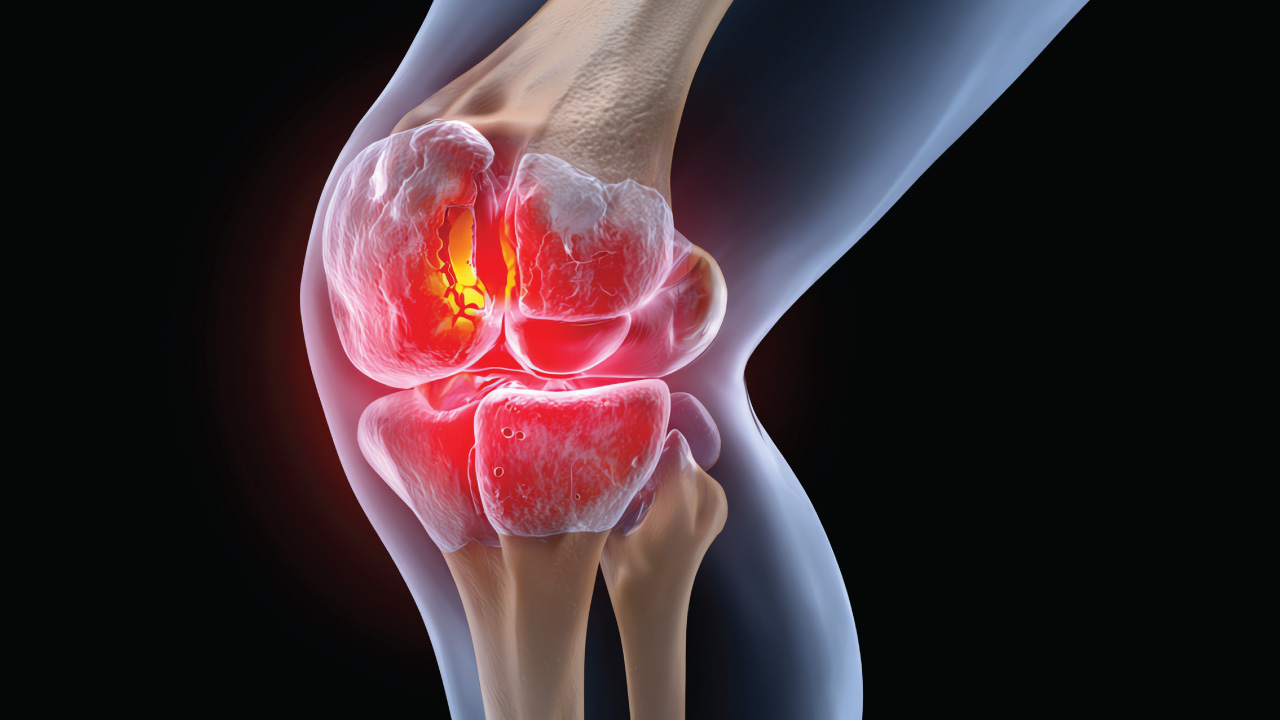
Knee arthritis is often associated with older adults, but younger individuals can also develop early degenerative changes, often due to injury, trauma, or uneven weight distribution in the knee. Traditional treatments like knee replacement may not be ideal for young patients, as they have longer life expectancy and higher activity demands.
High Tibial Osteotomy (HTO) is a surgical procedure designed to preserve the knee joint, relieve pain, and delay the need for knee replacement. Dr. Vivek Gupta emphasizes that HTO is an excellent option for young, active patients with unicompartmental knee arthritis, allowing them to maintain an active lifestyle.
What Is High Tibial Osteotomy?
High Tibial Osteotomy is a procedure in which the upper portion of the tibia (shinbone) is cut and realigned to shift the weight-bearing load from the damaged side of the knee to the healthier compartment.
By redistributing stress within the knee, HTO:
- Reduces pain on the arthritic side
- Slows the progression of arthritis
- Preserves the patient’s own joint, delaying the need for total knee replacement
This procedure is especially suitable for patients with early arthritis affecting only one compartment of the knee, typically the inner (medial) side.
Who Is a Candidate for HTO?
- Young Adults (usually under 60) with unicompartmental arthritis
- Patients with knee pain and stiffness due to medial compartment osteoarthritis
- Individuals with mild to moderate arthritis, where cartilage is still present in other compartments
- Active patients wishing to avoid or delay knee replacement
- Patients with correctable knee alignment issues (bow-legged or knock-kneed)
HTO is less suitable for patients with severe, multi-compartment arthritis or significant cartilage loss across the entire knee.
Benefits of High Tibial Osteotomy
1. Joint Preservation
Unlike knee replacement, HTO retains the patient’s natural knee, maintaining joint structures and proprioception.
2. Pain Relief
By offloading the damaged compartment, HTO reduces pain during walking, running, and daily activities.
3. Improved Functionality
Patients regain better mobility and can return to sports or recreational activities, which may be limited with advanced arthritis or knee replacement.
4. Delays Knee Replacement
HTO can postpone the need for total knee replacement by 10–15 years, giving young patients more time before considering joint replacement.
5. Corrects Knee Alignment
Bow-legged (varus) or knock-kneed (valgus) deformities can be corrected during surgery, improving biomechanics and reducing stress on the joint.
The Procedure
- Preoperative Assessment: X-rays, MRI, and physical examination determine the degree of arthritis and alignment correction required.
- Surgery: Under anesthesia, the tibia is cut and realigned to shift the load to the healthier part of the knee.
- Fixation: Plates and screws are used to stabilize the bone during healing.
- Recovery: Patients may use crutches initially, followed by gradual weight-bearing and physiotherapy to restore strength and mobility.
Recovery and Rehabilitation
- Initial Weeks: Pain is managed with medications; partial weight-bearing is advised.
- Physical Therapy: Strengthening and flexibility exercises help restore function.
- Return to Activity: Many patients resume daily activities within 3–6 months. High-impact sports may require longer rehabilitation.
- Long-Term Care: Regular follow-up to monitor healing, alignment, and joint health.
FAQs About High Tibial Osteotomy
1. How long does the surgery take?
Typically, HTO takes 1–2 hours, depending on the complexity and alignment correction required.
2. Is HTO painful?
Post-operative pain is managed with medications. Physical therapy helps reduce stiffness and improves recovery.
3. How long is recovery?
Patients usually start partial weight-bearing within weeks and can resume normal activities in 3–6 months. Full recovery may take 6–12 months.
4. Will HTO prevent arthritis completely?
HTO does not cure arthritis but slows its progression and delays knee replacement.
5. Can I play sports after HTO?
Yes, low- to moderate-impact activities are encouraged. High-impact sports should be resumed cautiously after medical clearance.
Conclusion
High Tibial Osteotomy is a joint-preserving surgical option for young patients with unicompartmental knee arthritis. It offers pain relief, improved mobility, and delayed need for knee replacement, allowing patients to maintain an active lifestyle. Consulting an expert like Dr. Vivek Gupta ensures personalized treatment planning and optimal outcomes for young adults seeking joint preservation.
If You Are a Young Adult Experiencing Knee Pain Due to Arthritis, Schedule a Consultation With Dr. Vivek Gupta. Explore High Tibial Osteotomy as a Safe and Effective Way to Preserve Your Knee, Relieve Pain, and Maintain an Active Lifestyle.


